
How to Choose and Use Women Plastic Headbands for Style and Comfort
Abstract
Women plastic headbands are a simple yet powerful accessory that can transform hairstyles, improve comfort, and enhance daily routines. However, many users struggle with issues such as discomfort, slipping, poor durability, or mismatched styles. This article provides a comprehensive guide on how to select, use, and maintain women plastic headbands effectively. Whether you are looking for everyday wear, sports functionality, or fashion styling, this guide will help you make informed decisions and maximize value.
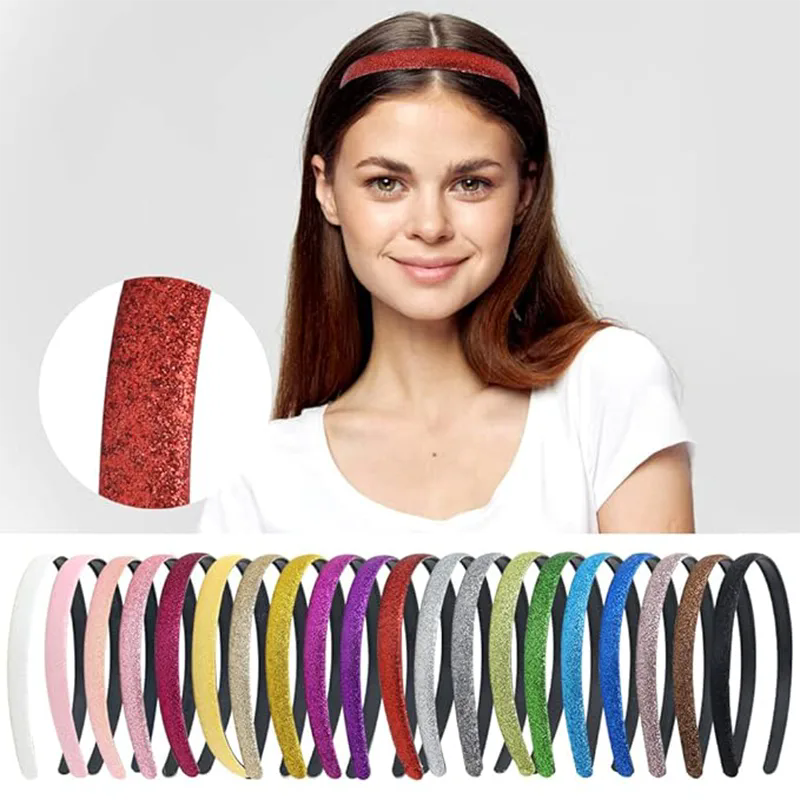
Table of Contents
- Understanding Women Plastic Headbands
- Common Problems Users Face
- How to Choose the Right Headband
- Types and Use Cases
- Styling Tips for Different Occasions
- Material and Quality Comparison
- Maintenance and Care Tips
- FAQ
Understanding Women Plastic Headbands
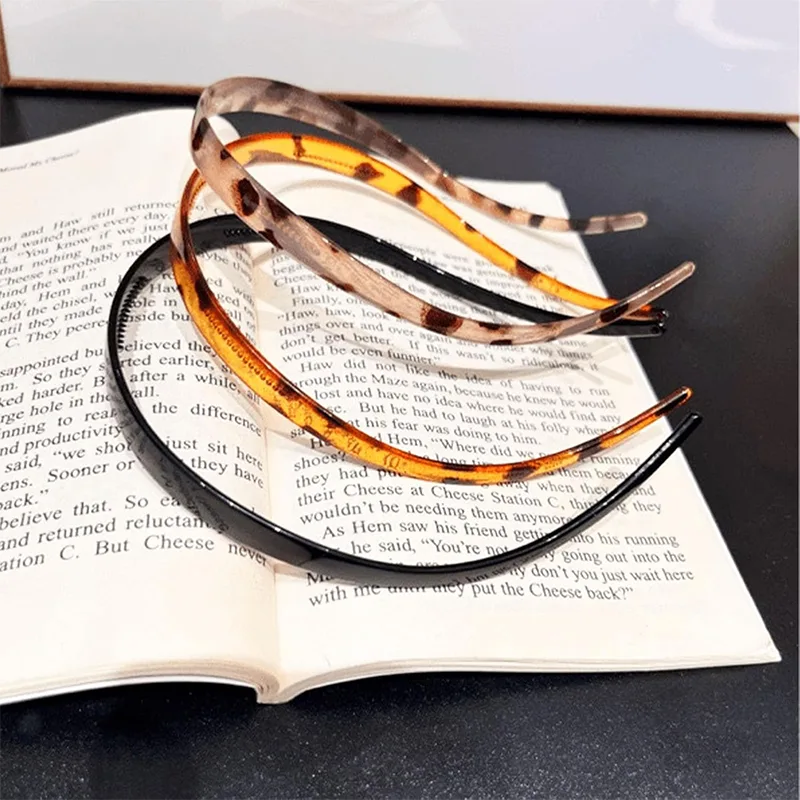
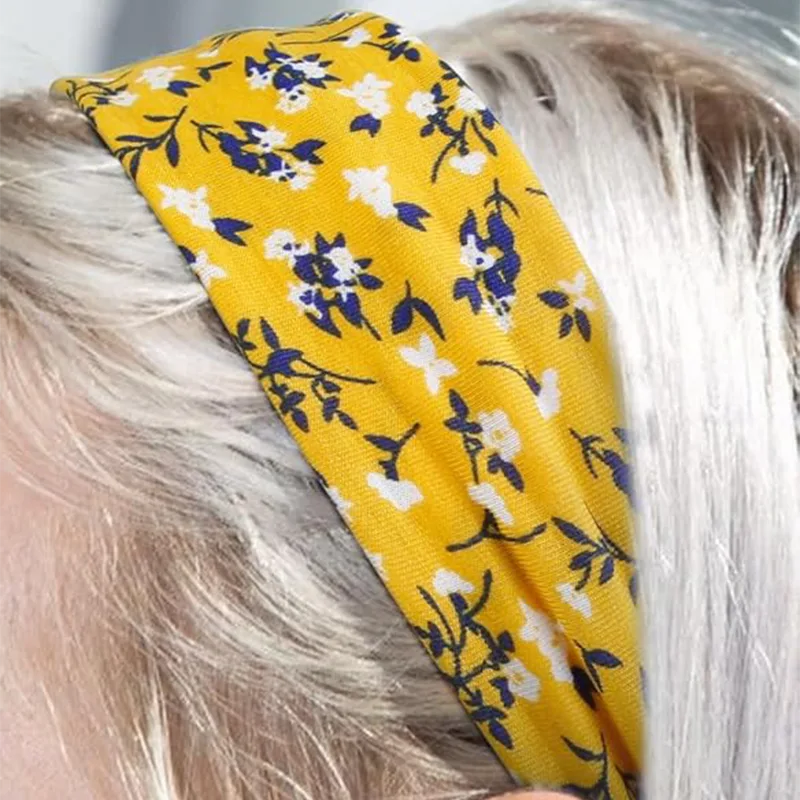
Women plastic headbands are lightweight hair accessories designed to hold hair in place while adding a stylish touch. They are widely used due to their affordability, versatility, and durability. These headbands come in various shapes, sizes, and finishes, making them suitable for both casual and formal settings.
Unlike fabric alternatives, plastic headbands offer structural support, which makes them particularly effective for managing thick or unruly hair. They are also easy to clean and maintain, making them ideal for daily use.
Common Problems Users Face
Despite their popularity, many users encounter issues when using plastic headbands. Understanding these pain points is essential before making a purchase:
- Discomfort: Tight headbands can cause headaches or pressure behind the ears.
- Slipping: Poor grip designs may fail to hold hair securely.
- Breakage: Low-quality plastic can crack easily under stress.
- Style mismatch: Choosing the wrong design can affect overall appearance.
- Hair damage: Rough edges can lead to hair breakage or tangling.
How to Choose the Right Headband
Selecting the right women plastic headband involves evaluating multiple factors. Below is a structured approach:
- Size and Fit: Choose a flexible design that fits comfortably without excessive pressure.
- Teeth Design: Headbands with inner teeth provide better grip for thick hair.
- Material Quality: Opt for durable, smooth-finished plastic to avoid breakage.
- Surface Finish: Matte or coated finishes reduce slipping.
- Color and Style: Match with your outfit and occasion.
Types and Use Cases
| Type | Features | Best For |
|---|---|---|
| Classic Thin Headbands | Lightweight, minimal design | Everyday wear |
| Wide Plastic Headbands | Strong hold, bold appearance | Fashion styling |
| Toothed Headbands | Enhanced grip | Thick or curly hair |
| Decorative Headbands | Embellished with patterns or textures | Special occasions |
| Sports Headbands | Secure fit, sweat-resistant | Workout and outdoor activities |
Styling Tips for Different Occasions
Women plastic headbands can be styled in multiple ways depending on the setting:
- Casual Look: Pair a thin neutral headband with loose hair for a relaxed style.
- Office Wear: Choose a matte black or brown headband for a clean and professional appearance.
- Sporty Style: Use a toothed or grip-enhanced headband to keep hair secure during workouts.
- Evening Events: Opt for glossy or decorative designs to complement formal outfits.
Positioning also matters. Placing the headband slightly behind the hairline creates volume, while wearing it closer to the forehead offers a sleek look.
Material and Quality Comparison
| Material Type | Advantages | Disadvantages |
|---|---|---|
| Standard Plastic | Affordable, widely available | May lack durability |
| Reinforced Plastic | Stronger, more flexible | Slightly higher cost |
| Eco-friendly Plastic | Sustainable option | Limited availability |
| Coated Plastic | Improved grip and comfort | May wear off over time |
Maintenance and Care Tips
Proper care can significantly extend the lifespan of your headbands:
- Clean regularly with mild soap and water.
- Avoid excessive bending to prevent cracking.
- Store in a dry place away from direct sunlight.
- Check for rough edges and replace damaged items promptly.
Regular maintenance ensures hygiene and maintains the product’s aesthetic appeal.
FAQ
Q1: Are plastic headbands suitable for all hair types?
Yes, but choosing the right design (such as toothed or wide styles) is essential for better performance.
Q2: How can I prevent headaches from wearing headbands?
Select flexible headbands with a comfortable fit and avoid overly tight designs.
Q3: Do plastic headbands damage hair?
High-quality headbands with smooth finishes are safe and minimize hair damage.
Q4: How long do plastic headbands typically last?
With proper care, they can last several months to years depending on usage and quality.
Q5: Can I use plastic headbands for sports?
Yes, especially those designed with grip features for active use.
Conclusion
Women plastic headbands are more than just simple accessories—they are functional tools that combine comfort, style, and practicality. By understanding your needs and selecting high-quality options, you can avoid common issues and enjoy long-lasting performance.
At YD Jewel, we specialize in delivering premium-quality women plastic headbands designed for durability, comfort, and modern aesthetics. Whether you need bulk customization or unique designs, our team is ready to support your business needs—contact us today to explore how we can help elevate your product offerings.
Related News
- How Can Natural Stone Women Beads Bracelets Elevate Everyday Style and Lasting Elegance
- Why Is the Popular Fitness Silicone Man Ring the Smart Choice for Active Men
- Why Are 14k Gold Plated Bead Bracelets a Smart Choice for Everyday Style and Jewelry Retail
- How Can a Solid Color Women Plastic Headband Elevate Everyday Style with Effortless Elegance
- Why Are Cute Teen Girl Bracelets Becoming a Must-Have for Everyday Fashion
- Why Are String Women Small Beads Bracelets Becoming a Must-Have for Modern Jewelry Collections
Leave me a message