
How Can Natural Stone Women Beads Bracelets Elevate Everyday Style and Lasting Elegance
Article Summary: Natural stone bead bracelets offer a distinctive combination of organic beauty, versatile styling, and thoughtful craftsmanship. For jewelry buyers seeking elegant accessories for everyday wear or meaningful gifts, Natural Stone Women Beads Bracelets provide a wide range of colors, textures, and design possibilities. YD helps buyers explore jewelry styles that balance visual appeal, practical wearability, and market preferences. This guide explains how to choose suitable stones, evaluate bracelet quality, coordinate accessories, and care for beaded jewelry.
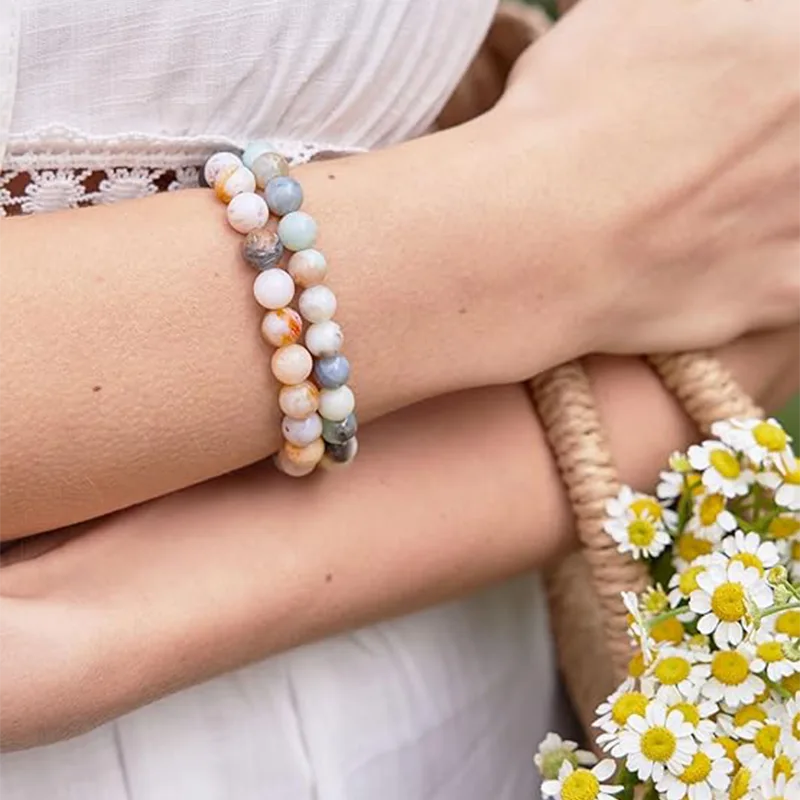
Table of Contents
- What Are Natural Stone Women Beads Bracelets?
- Why Choose Natural Stone Bead Bracelets?
- Popular Natural Stone Types and Their Visual Appeal
- How to Choose the Right Bracelet
- How to Style Beaded Bracelets for Different Occasions
- Key Quality Factors Buyers Should Evaluate
- How to Maintain Natural Stone Bracelets
- Natural Stone Bracelet Buying Comparison
- Frequently Asked Questions
- Final Thoughts
What Are Natural Stone Women Beads Bracelets?
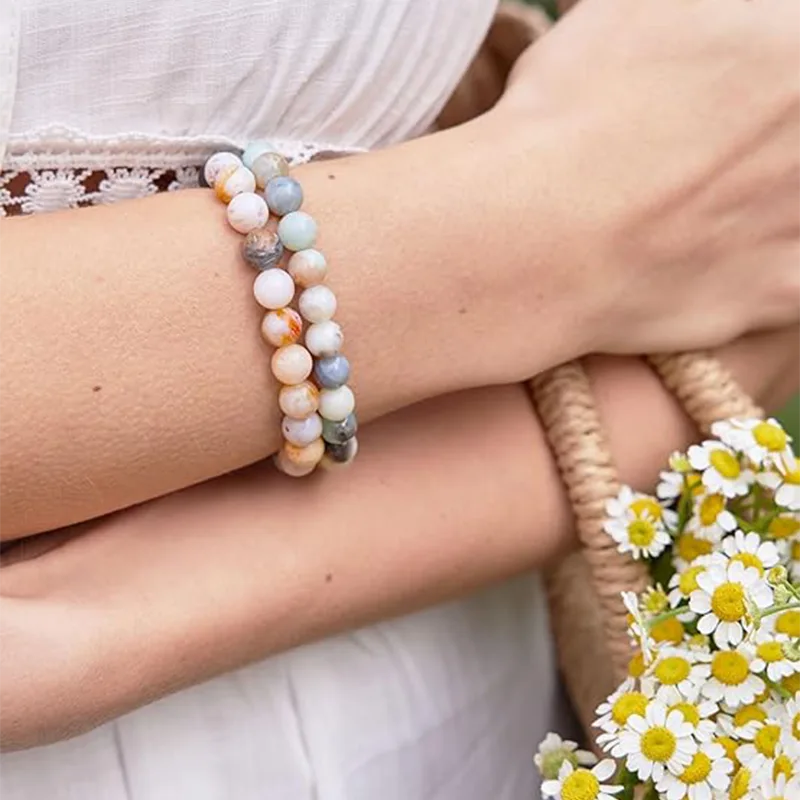
Natural Stone Women Beads Bracelets are jewelry accessories made with beads cut or shaped from natural stones and assembled into wearable designs. Their appeal comes from the individual characteristics of the materials, including variations in color, mineral patterns, translucency, and surface texture. Unlike mass-produced accessories with completely uniform decorative elements, natural stone jewelry can display subtle differences from one bead to another.
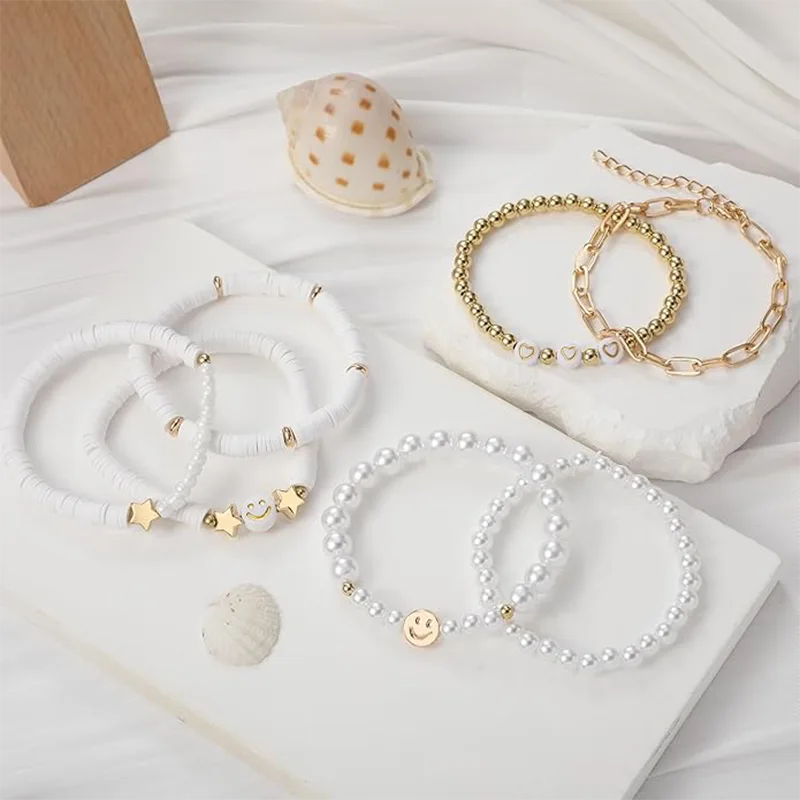
Depending on the design, these bracelets may feature polished round beads, faceted stones, mixed-color arrangements, decorative metal spacers, or minimalist single-strand constructions. Some designs emphasize understated elegance, while others use larger beads and contrasting colors to create a more noticeable fashion statement.
For jewelry retailers and buyers, the category offers flexibility across different customer preferences. Neutral-toned bracelets suit customers who appreciate understated accessories, while colorful gemstone combinations appeal to shoppers looking for expressive, personalized jewelry.
The final appearance depends on several factors, including stone selection, bead diameter, finishing quality, stringing materials, bracelet circumference, and the balance between decorative and functional components.
Why Choose Natural Stone Bead Bracelets?
Natural stone bracelets remain attractive because they combine material character with practical styling versatility. They can complement casual outfits, business-casual clothing, occasion wear, and coordinated jewelry collections without requiring complicated styling.
1. Distinctive Natural Patterns
Many natural stones feature veins, speckles, bands, or tonal variations created through geological processes. These details give each bead a distinctive appearance. Buyers should understand that such variations are a normal characteristic of natural materials, although the extent of variation depends on the specific stone and its processing.
2. Flexible Styling Options
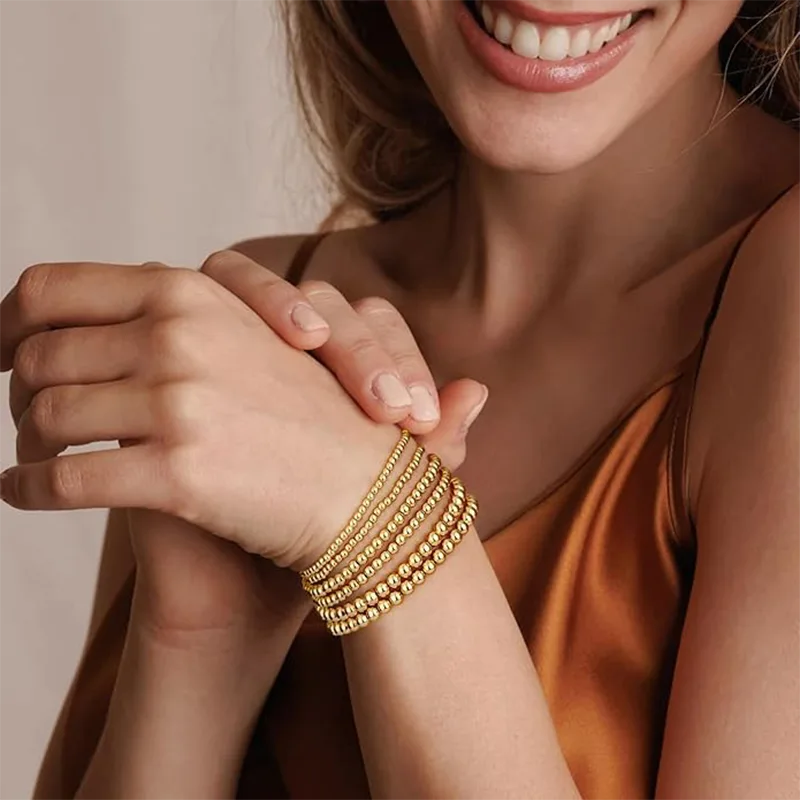
A simple beaded bracelet can be worn alone for a clean, minimalist appearance or combined with a watch and other bracelets for a layered effect. Color coordination allows the same accessory to work with multiple outfits, making it a practical addition to a personal jewelry collection.
3. Meaningful Gift Potential
Natural stone bracelets can be selected for birthdays, anniversaries, holidays, graduations, and other personal milestones. Buyers may choose a particular color, stone appearance, or design to reflect the recipient's taste. A thoughtful presentation and suitable bracelet size can make the gift feel more personal.
4. Broad Design Possibilities
Designers can combine different bead sizes, finishes, and accent materials to create products for different market segments. Slim bracelets offer a delicate appearance, while larger beads create a bolder profile. Mixed-stone arrangements also provide opportunities for distinctive collections.
Popular Natural Stone Types and Their Visual Appeal
Stone selection strongly influences the style, color palette, and perceived character of a bracelet. The following materials are commonly encountered in natural-stone-inspired jewelry collections. Exact appearance, availability, durability, and price depend on the material grade, treatment, and supplier specifications.
- Agate: Often features banded patterns and a broad range of colors. It works well in both classic and contemporary bracelet designs.
- Amethyst: Recognized for its purple hues, which can range from pale lavender to deeper violet. It is frequently used in elegant and gift-oriented jewelry.
- Tiger's Eye: Commonly displays golden-brown bands and a reflective visual effect that adds depth to polished beads.
- Jade: Often associated with green tones, although its appearance varies by material type. It suits traditional, understated, and modern designs.
- Rose Quartz: Known for soft pink shades that pair well with neutral clothing and delicate accessories.
- Black Onyx: Offers a deep, understated appearance that complements monochromatic outfits and metal accents.
- Turquoise: Typically features blue to greenish-blue tones, sometimes with contrasting matrix patterns. Its appearance can make a bracelet more visually expressive.
Material identification matters when purchasing jewelry. Some stones may be dyed, heat-treated, stabilized, reconstructed, or imitated. Buyers who require untreated or specifically graded materials should request clear product descriptions and appropriate supporting documentation rather than relying on appearance alone.
How to Choose the Right Bracelet
Selecting suitable Natural Stone Women Beads Bracelets involves more than choosing an attractive color. Comfort, proportions, construction, and intended use all affect the overall wearing experience.
Consider Bead Size
Bead diameter changes the visual balance of a bracelet. Smaller beads generally create a delicate profile, medium-sized beads offer versatility, and larger beads produce a more prominent look. The best choice depends on wrist proportions, personal preference, and the desired styling effect.
Measure Wrist Size
Accurate sizing helps reduce discomfort and unnecessary returns. Measure the wrist where the bracelet will sit, then consider the desired amount of movement. A close-fitting bracelet and a loose, relaxed bracelet require different finished circumferences.
For stretch designs, buyers should also consider the elasticity, bead weight, and durability of the cord. For clasp-based designs, the closure and adjustment range should provide a secure and comfortable fit.
Match Color to Personal Style
Neutral colors such as black, white, beige, and brown are easy to coordinate with everyday clothing. Green, blue, pink, and purple stones can introduce contrast or complement specific colors in an outfit. Mixed-stone designs offer more visual variety but may require additional consideration when coordinating accessories.
Evaluate the Construction
Look for consistent bead finishing, secure stringing, smooth surfaces, and well-finished connecting components. Natural variation is expected, but sharp edges, visible cracks that compromise integrity, loose knots, and poorly secured clasps are reasons to request further inspection.
Define the Intended Use
- Everyday wear: Prioritize comfort, reliable construction, and easy-to-coordinate colors.
- Special occasions: Consider distinctive stone patterns, polished finishes, and refined accents.
- Gift purchases: Check sizing, presentation, and the recipient's preferred colors.
- Retail collections: Review material consistency, product photography, packaging, and supplier documentation.
How to Style Beaded Bracelets for Different Occasions
One advantage of natural stone jewelry is its adaptability. A thoughtfully selected bracelet can work across different settings without appearing out of place.
Everyday Casual Outfits
Pair a single stone bracelet with jeans, a simple T-shirt, knitwear, or a casual dress. Black onyx, agate, and neutral-colored stones can provide a subtle finishing touch without competing with the rest of the outfit.
Office and Business-Casual Wear
For professional environments, choose smaller beads, restrained colors, and clean designs. A single bracelet or a carefully coordinated pair can complement a watch while maintaining a balanced appearance.
Weekend and Travel Styling
Colorful stones and mixed-bead arrangements can bring personality to relaxed weekend outfits. For travel, lightweight designs with secure construction are often practical choices. Store bracelets separately to reduce scratches caused by contact with other jewelry or hard objects.
Layered Jewelry Combinations
Layering works best when the pieces have a clear visual relationship. For example, combine one natural stone bracelet with a slim metal chain or a simple watch. Varying bead size and material can create contrast, but too many competing colors may make the overall look feel crowded.
Key Quality Factors Buyers Should Evaluate
Whether purchasing an individual accessory or evaluating products for a retail collection, buyers should assess both the visible finish and the underlying construction. A beautiful design is more valuable when its specifications and quality expectations are clearly defined.
Material Identification and Disclosure
Ask for the stated stone type and disclose any known treatments or composite materials accurately. If a product is described as natural stone, the supplier should clarify what that term means for the particular item. Material claims should be supported by appropriate records when required.
Bead Consistency and Surface Finish
Inspect bead shape, hole alignment, polishing, and visible defects. Natural patterns may vary, but the overall product should meet the agreed quality standard. Consistent finishing contributes to a more professional appearance and a better customer experience.
Stringing and Hardware
For elastic bracelets, check the cord quality, knot security, and resistance to ordinary handling. For clasp-based products, inspect closure alignment, connection points, and the finish of any metal components. Performance expectations should be evaluated according to the design rather than assumed from appearance alone.
Supplier Communication
Retailers and distributors should confirm the available specifications before placing larger orders. Useful questions include:
- Which stone materials and colors are available?
- What bead diameters and bracelet lengths can be supplied?
- Are treatments or material substitutions disclosed?
- What quality inspection criteria are used?
- Are customized designs, packaging, or branding options available?
- What are the minimum order quantity, production lead time, and shipping arrangements?
Clear answers help buyers compare offers more accurately and reduce misunderstandings during sourcing.
How to Maintain Natural Stone Bracelets
Proper care helps preserve the appearance and construction of beaded jewelry. Since different stones, coatings, cords, and metal components have different sensitivities, care instructions should be tailored to the materials used in each bracelet.
- Clean gently: Wipe the bracelet with a soft, dry cloth after wearing it. Use a slightly damp cloth only when appropriate for the specific stone and hardware.
- Avoid harsh chemicals: Perfume, household cleaners, solvents, and some cosmetic products may affect certain stones, finishes, or stringing materials.
- Limit unnecessary moisture: Remove bracelets before swimming, showering, or using cleaning products unless the manufacturer confirms that the complete construction is suitable for such exposure.
- Store separately: Keep each bracelet in a soft pouch or jewelry compartment to reduce scratches and tangling.
- Inspect regularly: Check elastic cords, knots, clasps, and connecting components for signs of wear before continued use.
- Avoid extreme conditions: Prolonged exposure to strong sunlight, high temperatures, or sudden temperature changes may affect some materials.
Ultrasonic cleaners and aggressive polishing products should not be used unless the stone and all other bracelet components are confirmed to be compatible with the cleaning method.
Natural Stone Bracelet Buying Comparison
The table below provides a practical starting point for comparing common bracelet styles. These are general design characteristics, not guarantees of performance or claims about a specific product's material grade.
| Bracelet Style | Visual Characteristics | Suitable Use | Key Buying Consideration |
|---|---|---|---|
| Minimalist small-bead bracelet | Delicate and understated | Daily wear and office outfits | Bead uniformity, comfort, and sizing |
| Large-bead bracelet | Bold and noticeable | Statement styling and casual outfits | Weight, wrist fit, and cord strength |
| Mixed-stone bracelet | Multiple colors and patterns | Personalized looks and gifts | Color coordination and material disclosure |
| Stone and metal-accent bracelet | Contrasting textures and finishes | Smart-casual and occasion wear | Metal finish, connection quality, and skin compatibility |
| Stretch beaded bracelet | Simple construction without a traditional clasp | Convenient everyday styling | Elastic durability and correct circumference |
| Clasp-based beaded bracelet | Structured closure and adjustable design options | Gift collections and refined accessories | Clasp security and adjustment range |
When comparing suppliers, buyers should also consider the total landed cost, packaging requirements, order quantities, customization possibilities, and consistency between approved samples and delivered products. The lowest unit price does not necessarily represent the best overall value if construction or communication standards are inadequate.
Frequently Asked Questions
1. What makes Natural Stone Women Beads Bracelets different from ordinary fashion bracelets?
Natural stone bracelets feature beads made from natural mineral materials, which may display distinctive colors, patterns, and textures. Their appearance depends on the stone type, finishing process, bead size, and overall design. Other fashion bracelets may instead use glass, resin, plastic, or synthetic decorative materials.
2. Are all natural stone beads completely unique?
Natural stones can vary in color, pattern, transparency, and texture. However, the degree of variation depends on the material and processing method. Buyers should expect reasonable natural differences while still requiring the finished bracelet to meet agreed specifications.
3. How do I choose the correct bracelet size?
Measure your wrist with a flexible measuring tape and determine whether you prefer a close or relaxed fit. Compare that measurement with the bracelet's finished inner circumference. For stretch bracelets, consider bead size and cord flexibility as well.
4. Can natural stone bracelets be worn every day?
Many designs are suitable for regular wear when properly constructed and maintained. Durability depends on the stone, bead drilling, stringing material, hardware, and exposure to impacts or chemicals. Remove the bracelet during activities that could damage its components.
5. Are natural stone bracelets suitable as gifts?
Yes. Their variety of colors, patterns, and designs makes them suitable for birthdays, anniversaries, holidays, and personal milestones. Before buying, check the recipient's style preferences, bracelet size, product description, and packaging options.
6. How can buyers verify whether a bracelet uses natural stones?
Review the supplier's material declaration and ask about any treatments, dyes, stabilization, or imitation materials. For purchases requiring formal verification, request appropriate documentation or independent testing. Appearance alone cannot reliably establish the identity or treatment history of every stone.
7. What should retailers consider when sourcing natural stone bead bracelets?
Retailers should evaluate material transparency, bead quality, sizing options, stringing or clasp construction, sample consistency, packaging, minimum order quantities, and delivery arrangements. Confirming these details before production helps establish clearer quality expectations.
8. How should natural stone bracelets be cleaned?
For many designs, gently wiping the surface with a soft cloth is a suitable starting point. Because stones and other components differ in their sensitivity to water and chemicals, follow the supplier's care instructions and avoid aggressive cleaning methods unless compatibility has been confirmed.
Final Thoughts
Natural Stone Women Beads Bracelets combine distinctive material character, versatile styling, and broad design possibilities. Choosing the right piece means looking beyond color to consider stone identification, bead finishing, bracelet dimensions, construction quality, and appropriate care. For retailers and jewelry buyers, clear specifications and reliable supplier communication are equally important when evaluating products for personal use or commercial collections.
YD welcomes jewelry buyers, retailers, and sourcing professionals who want to explore attractive beaded bracelet designs and discuss product requirements. Whether you are comparing stone styles, evaluating customization options, or planning a jewelry collection, explore Natural Stone Women Beads Bracelets to learn more about the available product offering. If you need additional information about materials, sizing, customization, or wholesale purchasing, contact us to discuss your requirements and identify suitable options for your market.
Previous :
-
Related News
- Why Is the Popular Fitness Silicone Man Ring the Smart Choice for Active Men
- Why Are 14k Gold Plated Bead Bracelets a Smart Choice for Everyday Style and Jewelry Retail
- How Can a Solid Color Women Plastic Headband Elevate Everyday Style with Effortless Elegance
- Why Are Cute Teen Girl Bracelets Becoming a Must-Have for Everyday Fashion
- Why Are String Women Small Beads Bracelets Becoming a Must-Have for Modern Jewelry Collections
- How Can Cute Teen Girl Bracelets Make Everyday Outfits More Stylish and Personal
Leave me a message